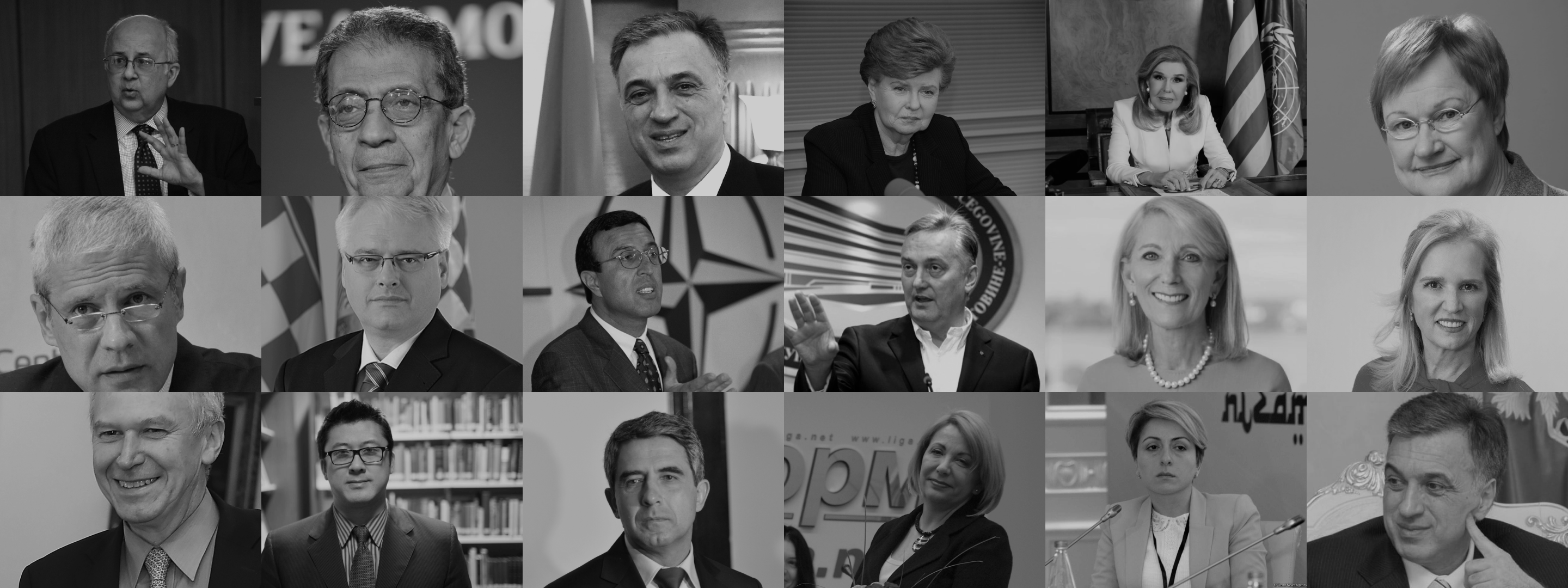
Global Baku Forum

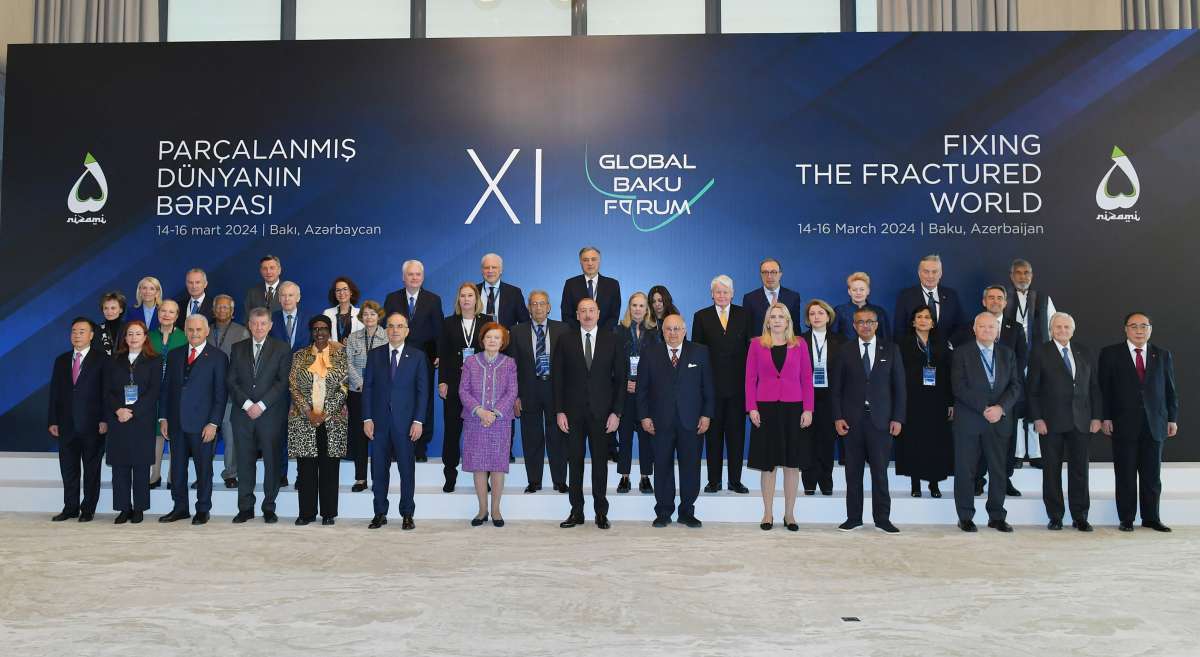
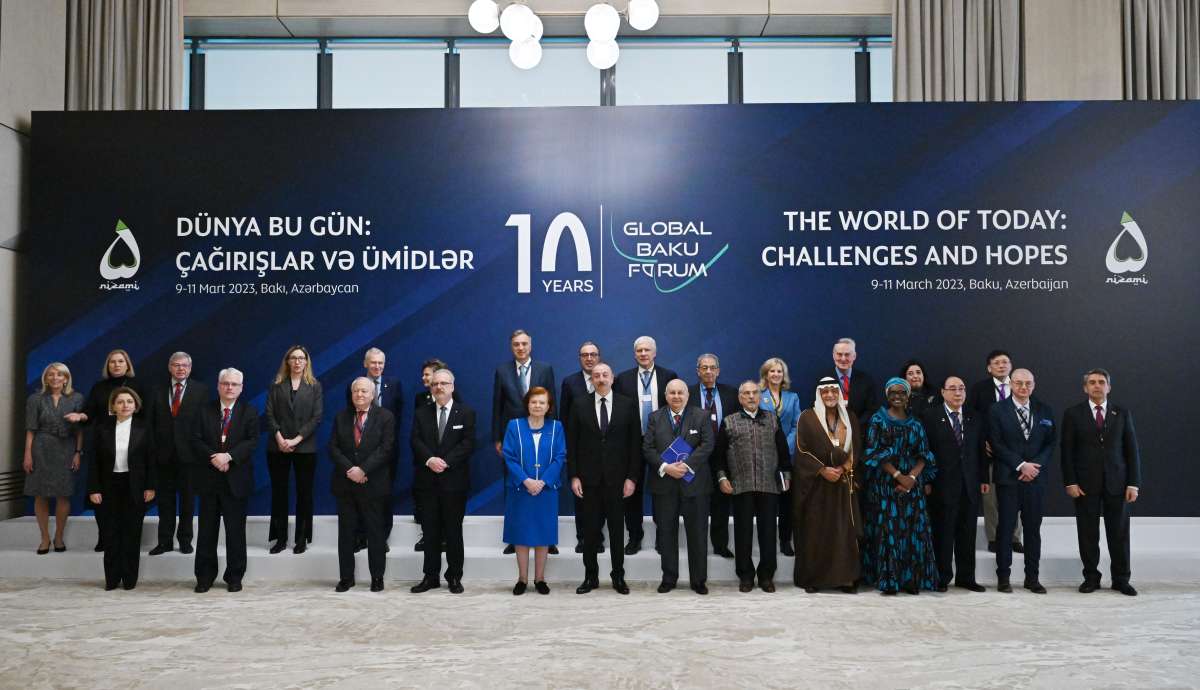
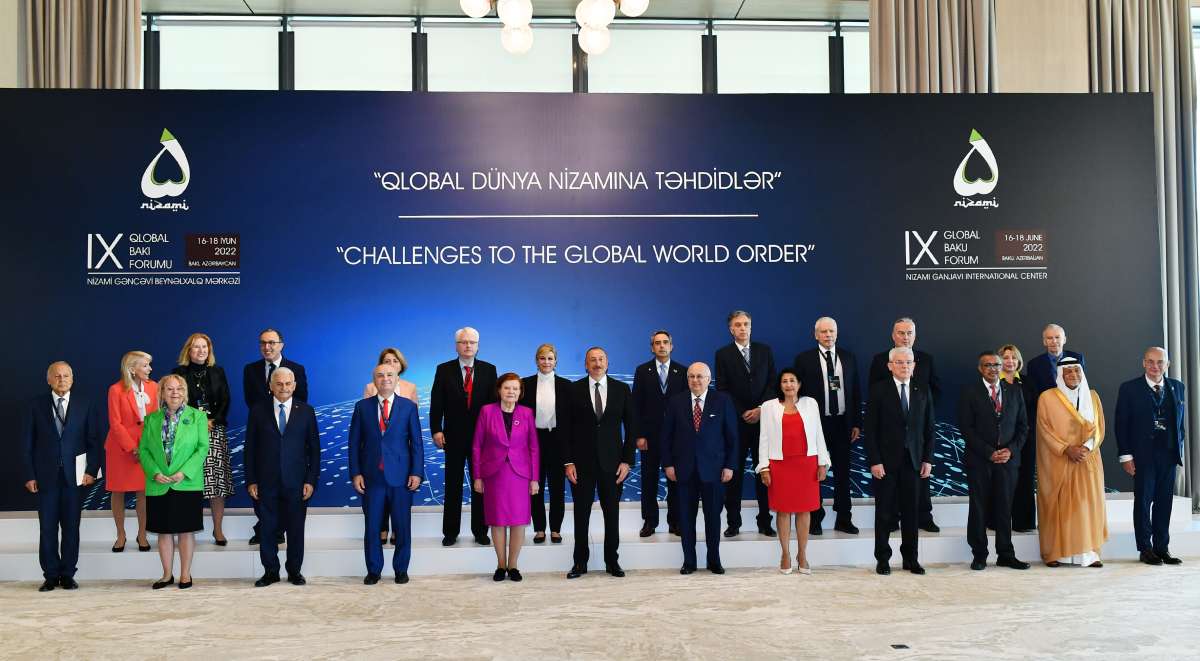
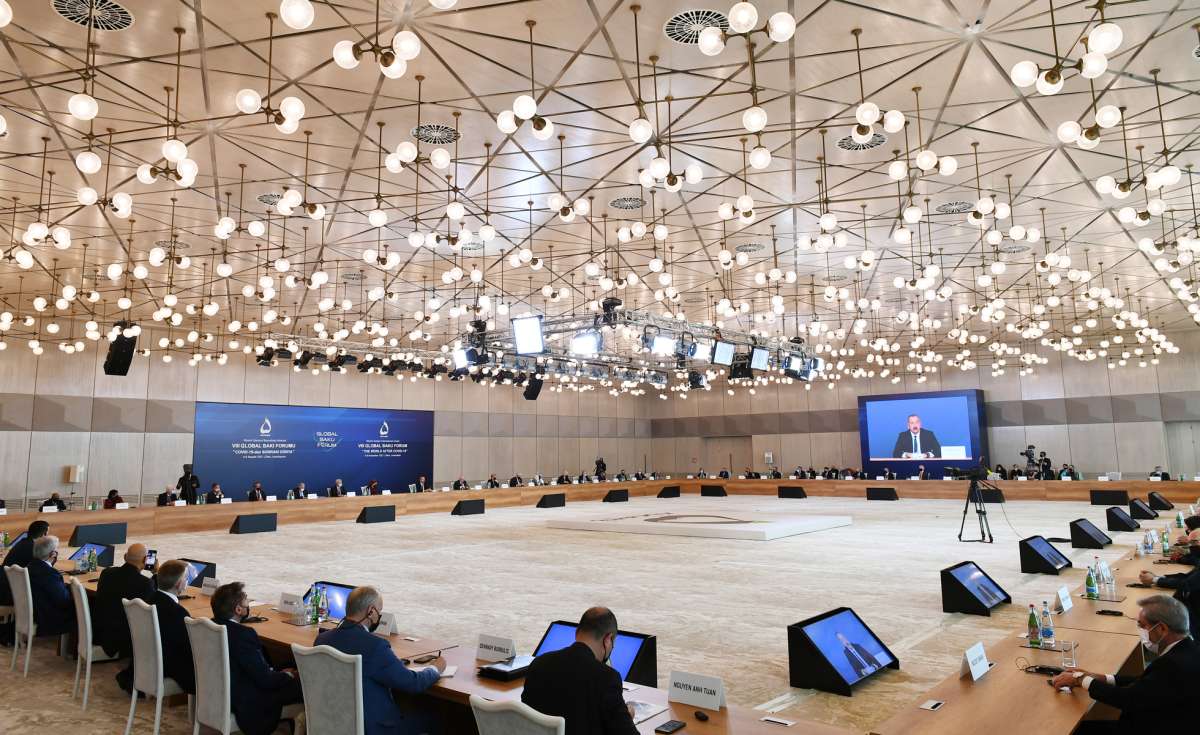
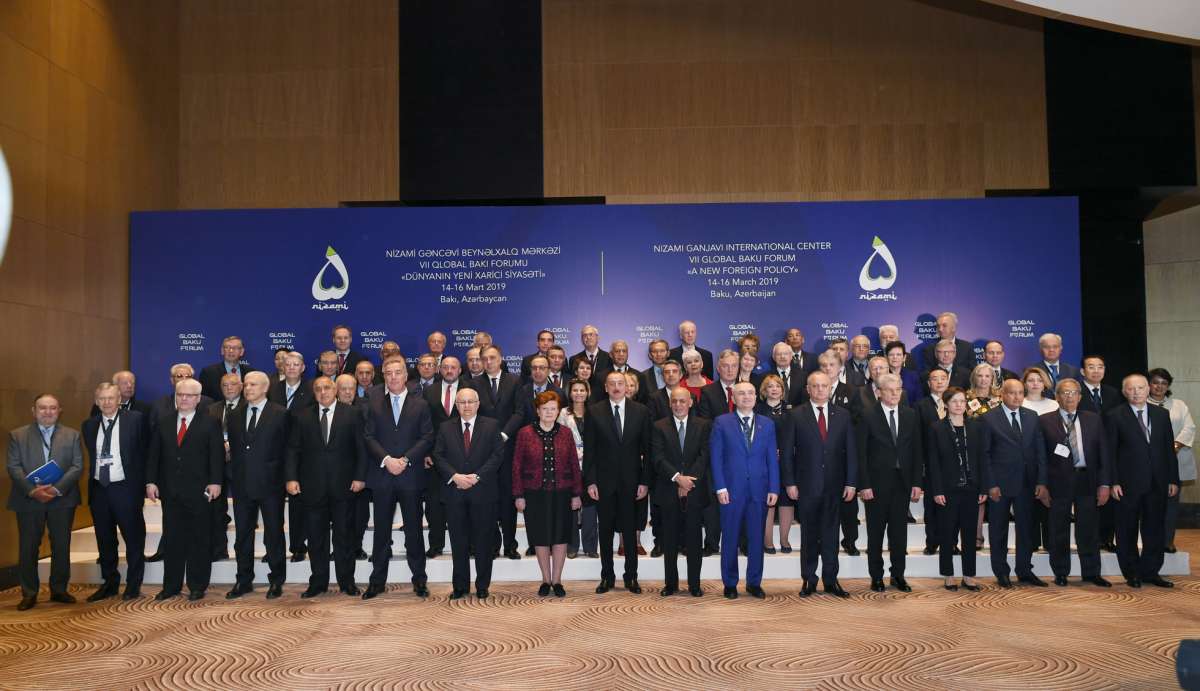
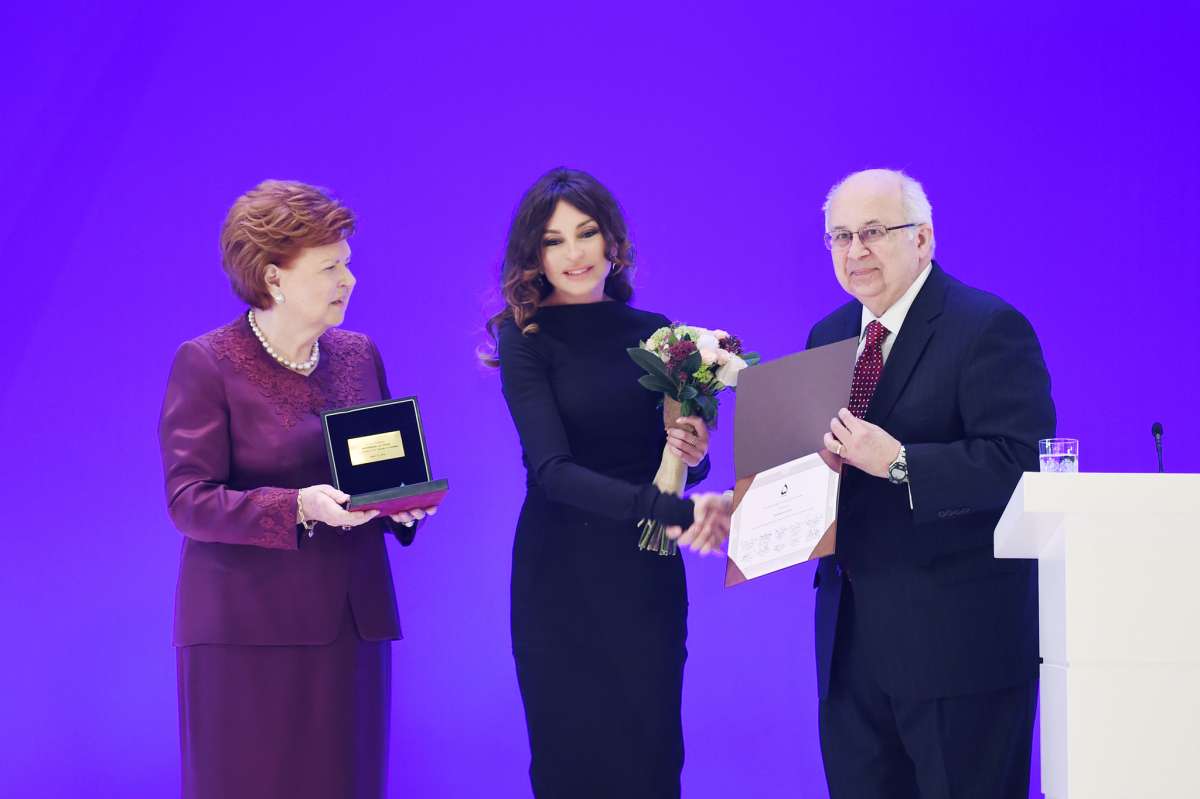
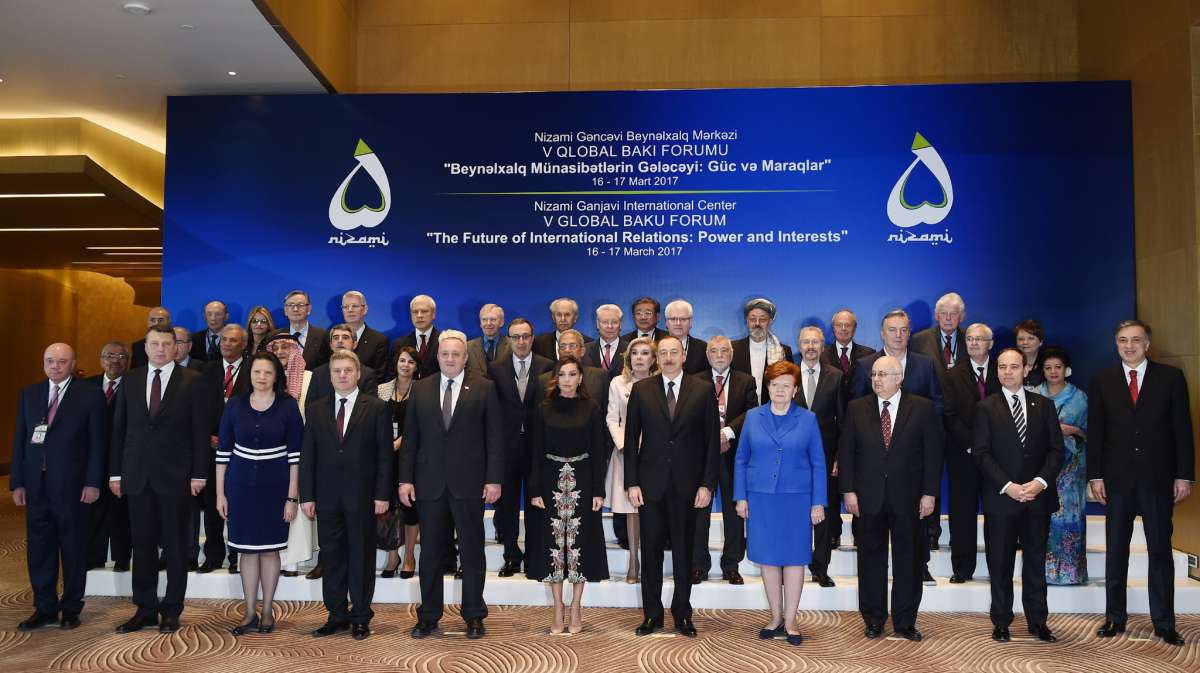
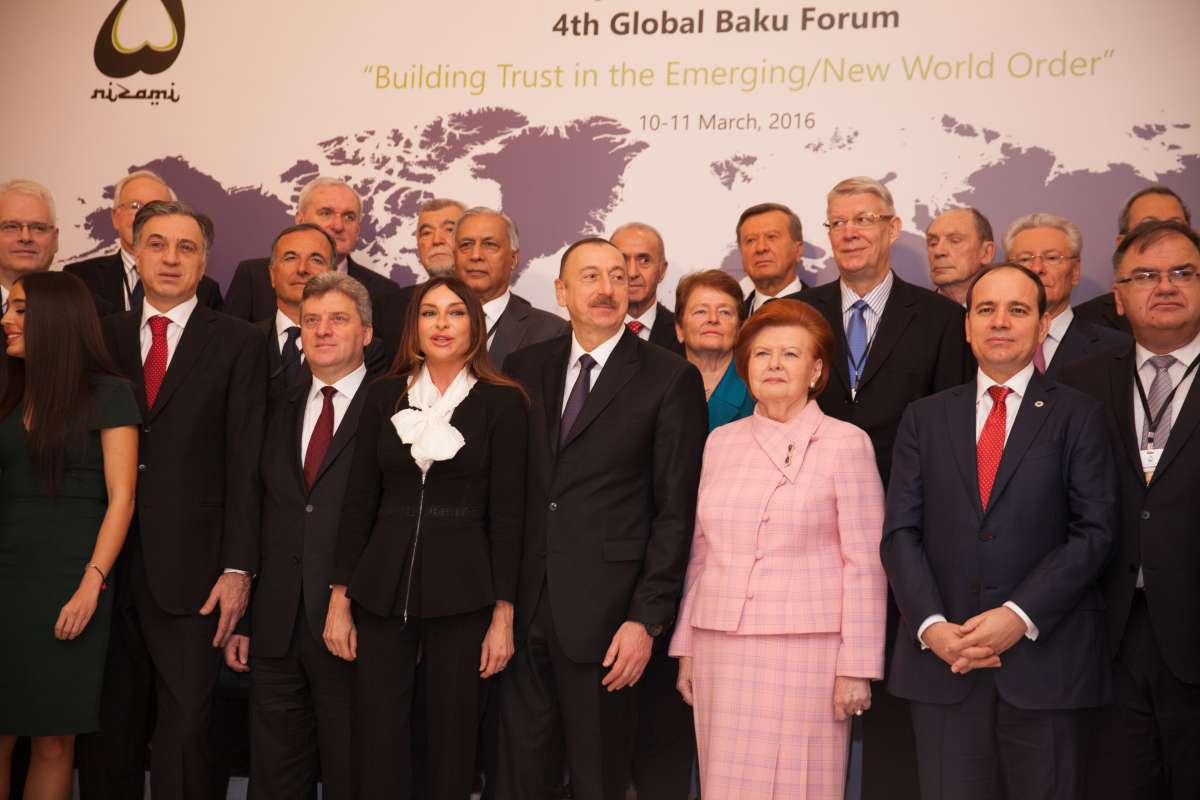
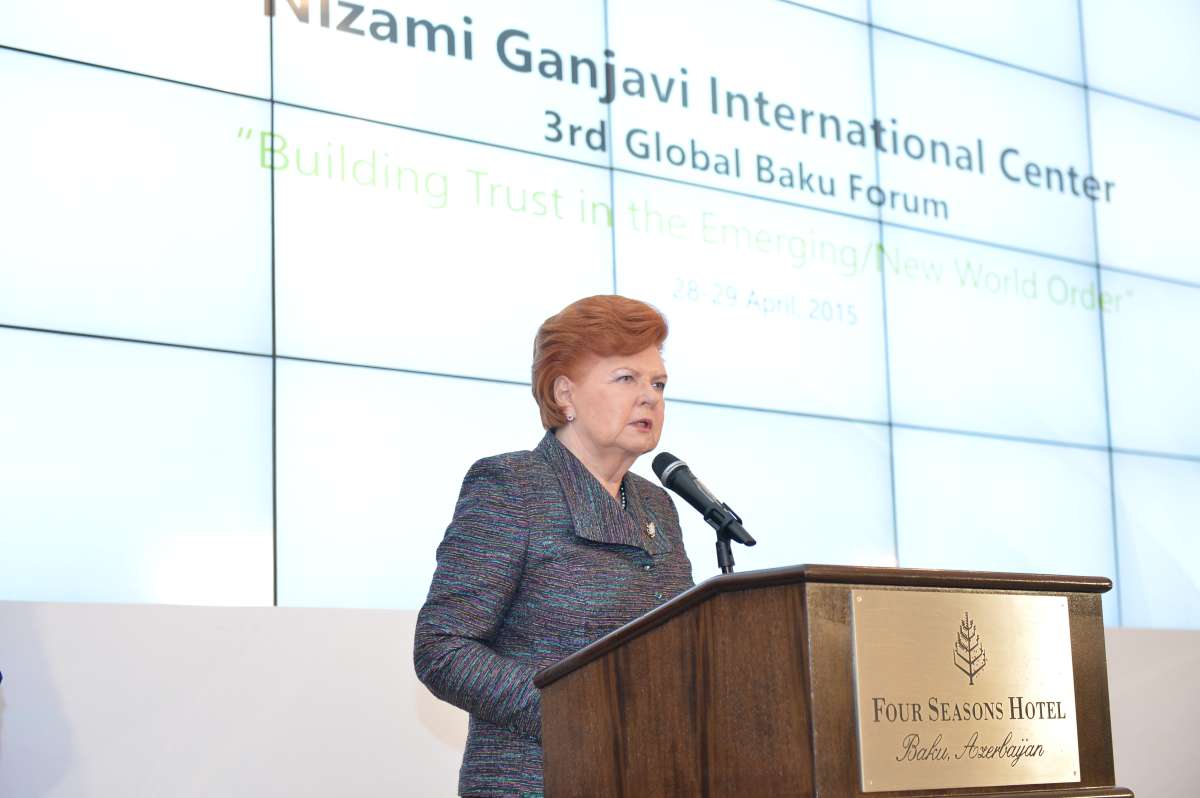
NGIC annually hosts the Global Baku Forum, which in 2026 held its 13th edition, bringing together leaders from governments, the public and private sectors, Nobel Laureates, and civil society. The forum had established itself as a leading platform in Eastern Europe, the South Caucasus, Central Asia, and the Middle East, providing an opportunity for distinguished figures to discuss global challenges and explore strategies for fostering cooperation, peace, and sustainable development.

See more
Global Policy Analysis - Journal

On March 2020 NGIC launched its Global Policy Analysis a new, well-constructed, informative and educational journal which the issues are published bimonthly and both electronic and printed versions are circulated.

The first issue of GPA started with the uncertainty of the pandemic and continued with the topics of the vaccines safety, education and access to all; the ways to revive global economy: impact to SDG in hope that it will make us leave these hard days behind and back to our day-to-day life.

The views and opinions of distinguished world leaders, experts and thinkers to address a wide range of challenging issues are sharing with the readers including the environment and economy, conflict over natural resources; Leadership in climate change; How can the countries of Central and Eastern Europe find new engines of sustained growth?  How is the international order equipped to promote the balance between cooperation and competition that will be required to face global challenges from war and peace to longer-term tasks like the SDGs, biodiversity loss and Climate Change? How can we build on the legacy of the 20th century to move to a new world order suitable to the 21st? How can we reconcile continued economic development with ecological security and the rights of future generations? Why do we have problem with global climate change and leadership? How is leadership changing in a changing world order? We will be debating these questions with internationally renowned experts from all fields of research including: politics, science, sociology, economy, culture, humanities and ethics.

See more

Board of Trustees Members

See all members

News and blogs

XIII Global Baku Forum: "Bridging Divides in a World in Transition"

XIII Global Baku Forum: "Bridging Divides in a World in Transition"

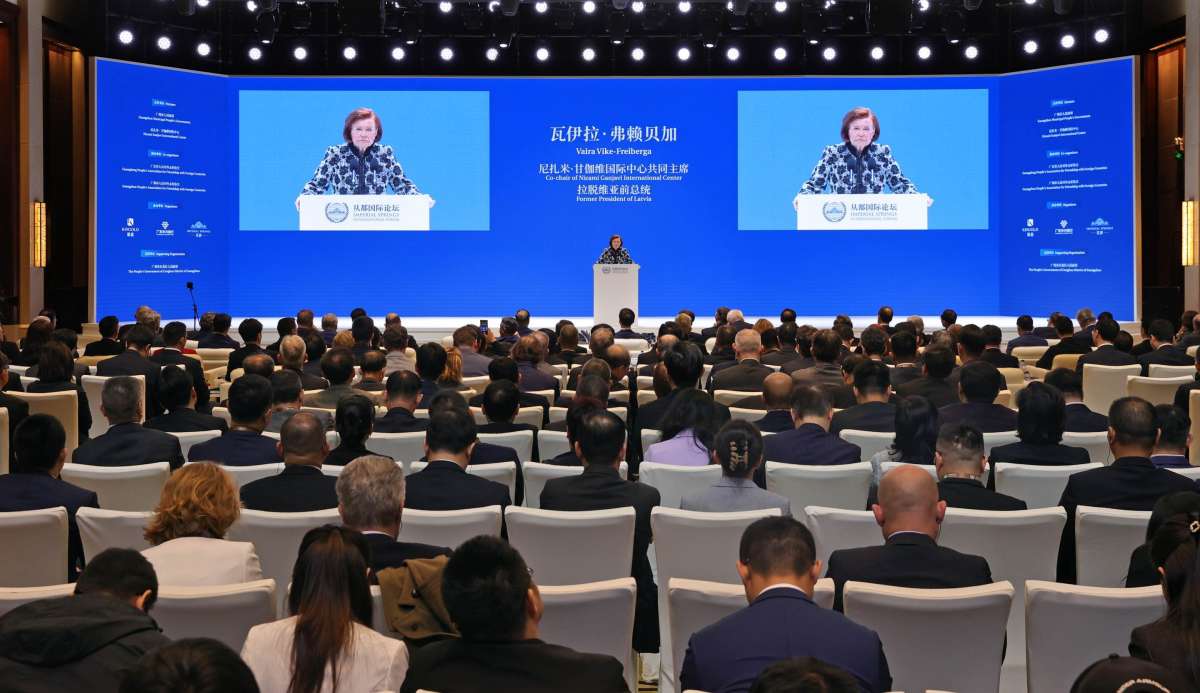
The XIII Global Baku Forum was held on March 12–14, 2026, under the theme “Bridging Divides in a World in Transition.” The forum brought together nearly 400 participants from around the world.

The event convened former heads of state and government, leaders of international organizations, policymakers, and prominent experts to discuss pressing global challenges, including international security, geopolitical developments, and the future of multilateral cooperation.

As part of the program, a series of panel discussions were organized, covering a wide range of global topics. These included “Global Security and Balance of Power: Respect for International Law – New Issues, New Challenges,” “Multilateralism in Crisis: Rethinking Global Cooperation,” “The UN 80+,” “China and Global Governance Initiative,” and “Beyond Negotiations: The Battle to Keep COP Alive.”

Other sessions focused on connectivity and regional cooperation, including “Middle Corridor and Eurasian Connection Gateway,” as well as regional and global development themes such as “Africa: Today and Tomorrow” and “Accelerating the 2030 Agenda: Inclusive Growth and Sustainable Connectivity.”

The forum also addressed emerging global trends and challenges through discussions such as “Digital Futures: AI, Governance and Ethics of Innovation,” “Global Cooperation for Housing: Perspectives for WUF13,” and “Seeking a Reset of the International System.”

The XIII Global Baku Forum once again served as an important international platform for dialogue, bringing together leading voices from different regions to exchange ideas and explore solutions to today’s complex global challenges.

12 March 2026

NGIC and The Economist host side event at the XIII Global Baku Forum

NGIC and The Economist host side event at the XIII Global Baku Forum

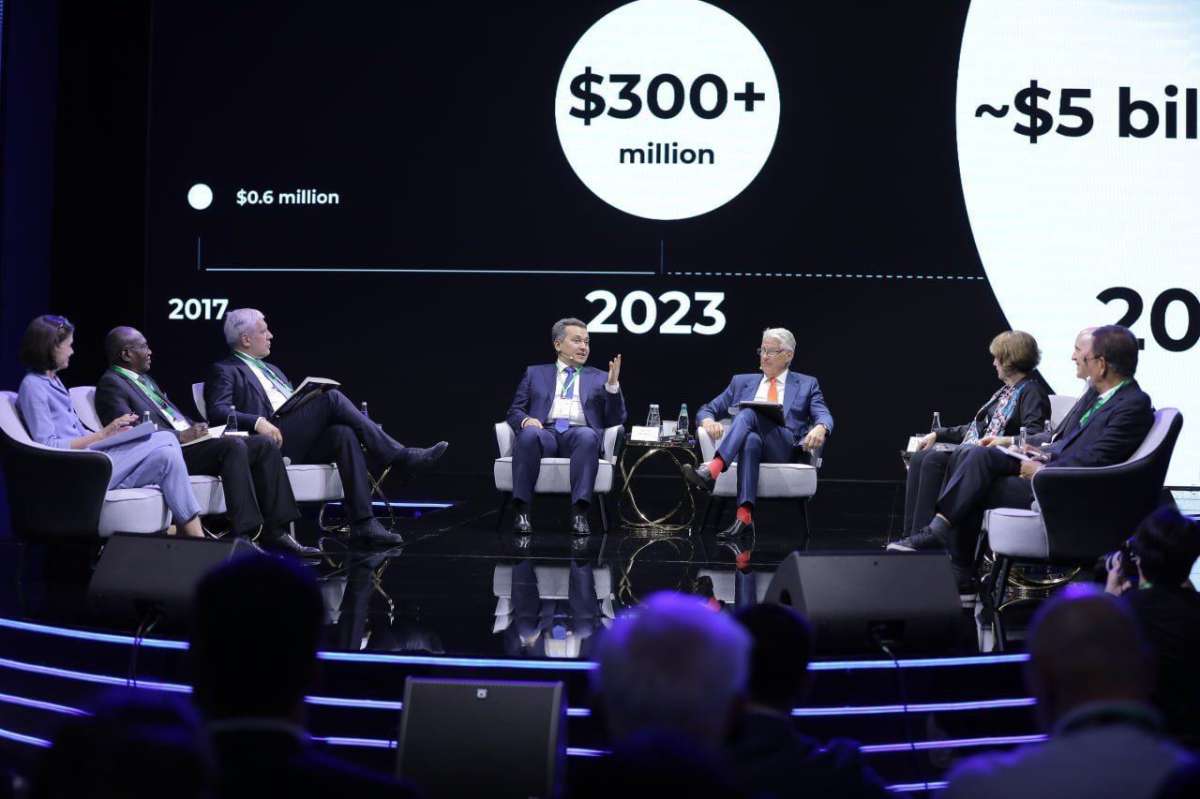
Within the framework of the XIII Global Baku Forum, the Nizami Ganjavi International Center, in partnership with The Economist, hosted a side event titled “The South-east Europe and Trans-Caspian Business Summit: Expanding Corridors for Partnerships in Energy and Infrastructure” on 15 March 2026.

The summit also addressed the ongoing war in the Middle East and its geopolitical and economic implications for the international community. Particular attention was given to the importance of strengthening strategic partnerships through effective investments during times of crisis, as well as the process of European Union enlargement and the admission of new member states.

Participants further exchanged views on the Middle Corridor, highlighting the role of Central Asia, the security of regional transit projects, potential risks, and measures to mitigate emerging threats. Azerbaijan’s possible contributions to these issues, particularly in enhancing connectivity and ensuring the resilience of regional infrastructure, were also emphasized.

The session featured prominent speakers, including:

  • Alasdair Ross, Global Affairs Editor, The Economist
  • Amre Moussa, Secretary-General of the Arab League (2001–2011); Former Minister of Foreign Affairs of Egypt (1991–2001)
  • Yves Leterme, Former Prime Minister of Belgium (2008; 2009–2011)
  • Rafael Dezcallar Mazarredo, Former Ambassador of Spain to Ethiopia, Germany, and the People’s Republic of China
  • Eduards Stiprais, EU Special Representative for Central Asia
  • Alkis Drakinos, Director and Regional Head for the Caucasus (Armenia, Azerbaijan and Georgia), EBRD
  • Ata Koseoglu, Chairman, Rothschild & Co Turkey

The side event served as an important platform for advancing dialogue and fostering strategic partnerships in energy and infrastructure across key regions.

15 March 2026

NGIC and WAAS host high-level side event at the XIII Global Baku Forum

NGIC and WAAS host high-level side event at the XIII Global Baku Forum

Within the framework of the XIII Global Baku Forum, the Nizami Ganjavi International Center, in partnership with the World Academy of Art and Science (WAAS), hosted a high-level side event titled “Addressing Global Turbulence” on 15 March 2026 in Baku.

The event addressed the growing complexity of global challenges, highlighting how multiple crises-ranging from geopolitical conflicts and technological disruption to climate change and declining human security-are unfolding simultaneously. Discussions emphasized that the current international system is facing unprecedented pressure, with traditional governance frameworks struggling to keep pace with rapidly evolving global dynamics.

The program featured an opening session followed by a series of thematic discussions covering key dimensions of global turbulence. These included “Global Turbulence: Understanding the Moment,” “War and Conflict Turbulence,” and “Technology and Sovereignty Turbulence,” where participants explored the drivers of instability and the implications for global governance and international cooperation.

Additional sessions focused on “Climate Change and Global Water Systems,” organized in partnership with the COP29 Presidency, and “Human Security Turbulence,” addressing the impact of inequality, displacement, and social instability on societies worldwide.

The event brought together prominent global leaders, policymakers, and experts, including Vaira Vike-Freiberga, Garry Jacobs, Rebeca Grynspan, Amre Moussa, Yves Leterme, Maria Fernanda Espinosa, Mukhtar Babayev, and Lin Yifu, among others.

The side event concluded with a high-level closing session on leadership implications, emphasizing the need for renewed approaches to global governance, stronger international cooperation, and adaptive leadership to navigate an increasingly complex and interconnected world.

As a follow-up, a comprehensive report on “Addressing Global Turbulence” will be prepared and presented, reflecting the key insights and recommendations discussed during the event.

15 March 2026

NGIC organized a high-level event within the framework of the Munich Security Conference

NGIC organized a high-level event within the framework of the Munich Security Conference

Within the framework of the Munich Security Conference 2026, a high-level event titled “Multilateralism in a Fractured Global Order Format” was held.

The roundtable discussion was dedicated to preserving the effectiveness and legitimacy of multilateralism amid the current geopolitical fragmentation, as well as to potential reforms in the framework of the UN80+.

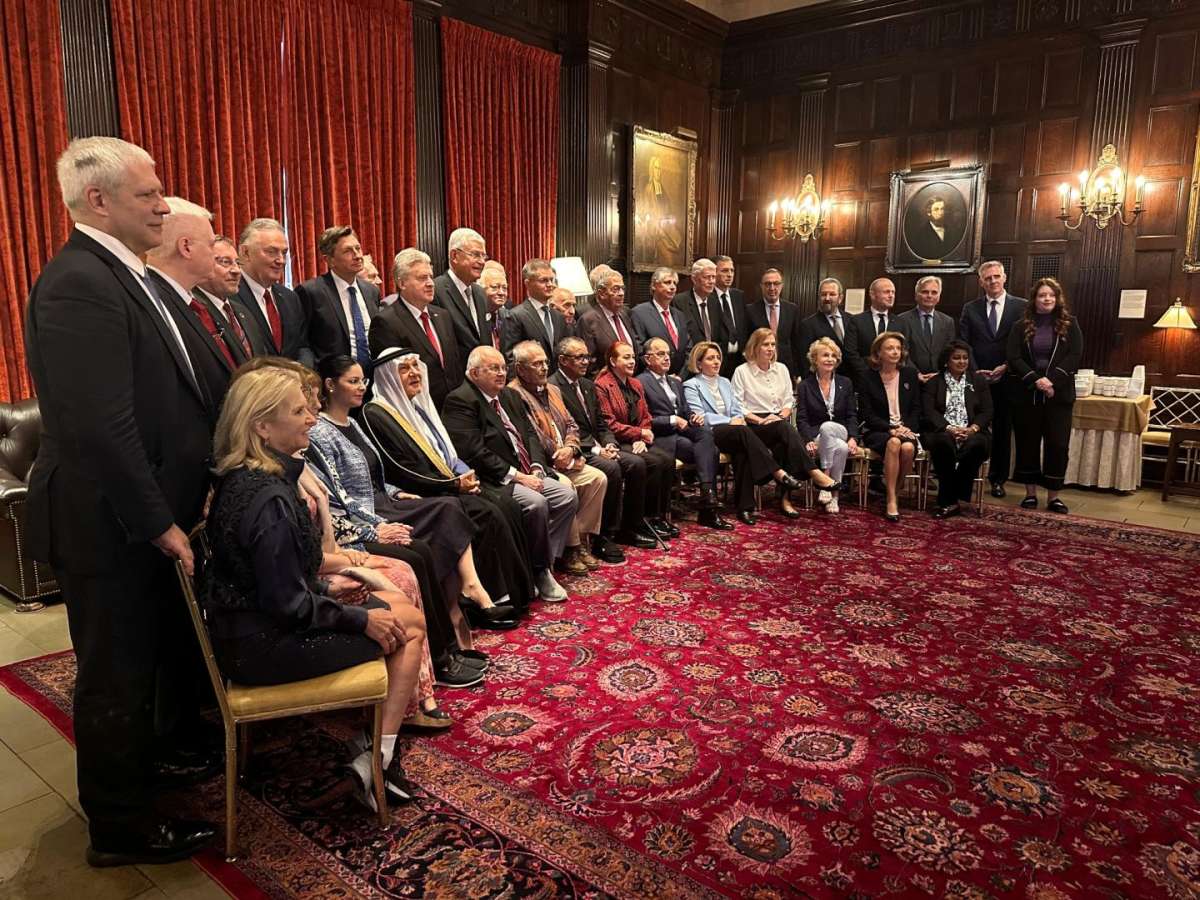
The event brought together nearly 40 high-level participants from more than 15 countries, including senior UN officials, former heads of state and government, ministers, leaders of regional organizations, and leading strategic experts.

Among the speakers during the sessions were Mukhtar Babayev, Representative of the President of Azerbaijan on Climate Issues and President of COP29; Prince Turki Al Faisal, Chairman of the Board of the King Faisal Center for Research and Islamic Studies; Boris Tadic, former President of Serbia; Macky Sall, former President of Senegal; Eduards Stiprais, EU Special Representative for Central Asia; Maria Fernanda Espinosa, President of the 73rd Session of the UN General Assembly; Sodiq Safoyev, Deputy Chairman of the Senate of Uzbekistan; and Sebastian Kurz, former Federal Chancellor of Austria.

During the luncheon discussion, Miguel Angel Moratinos, UN Under-Secretary-General and High Representative for the Alliance of Civilizations; Amr Moussa, former Secretary-General of the Arab League; Tzipi Livni, former Minister of Foreign Affairs of Israel; George Papandreou, former Prime Minister of Greece; Miroslav Lajčák, President of the 72nd Session of the UN General Assembly; Eldor Aripov, First Deputy Secretary of the Security Council under the President of Uzbekistan; and Rovshan Muradov, Secretary General of the Nizami Ganjavi International Center, shared their views on the future directions of global cooperation.

The event particularly emphasized evolving cooperation formats in Central Asia and the South Caucasus, the growing strategic role of the Trans-Caspian connectivity, post-conflict normalization processes, and the complementarity between regional initiatives and global multilateral frameworks.

15 February 2026

The XXXV High-Level Meeting was held in partnership with the United Nations Geneva

The XXXV High-Level Meeting was held in partnership with the United Nations Geneva

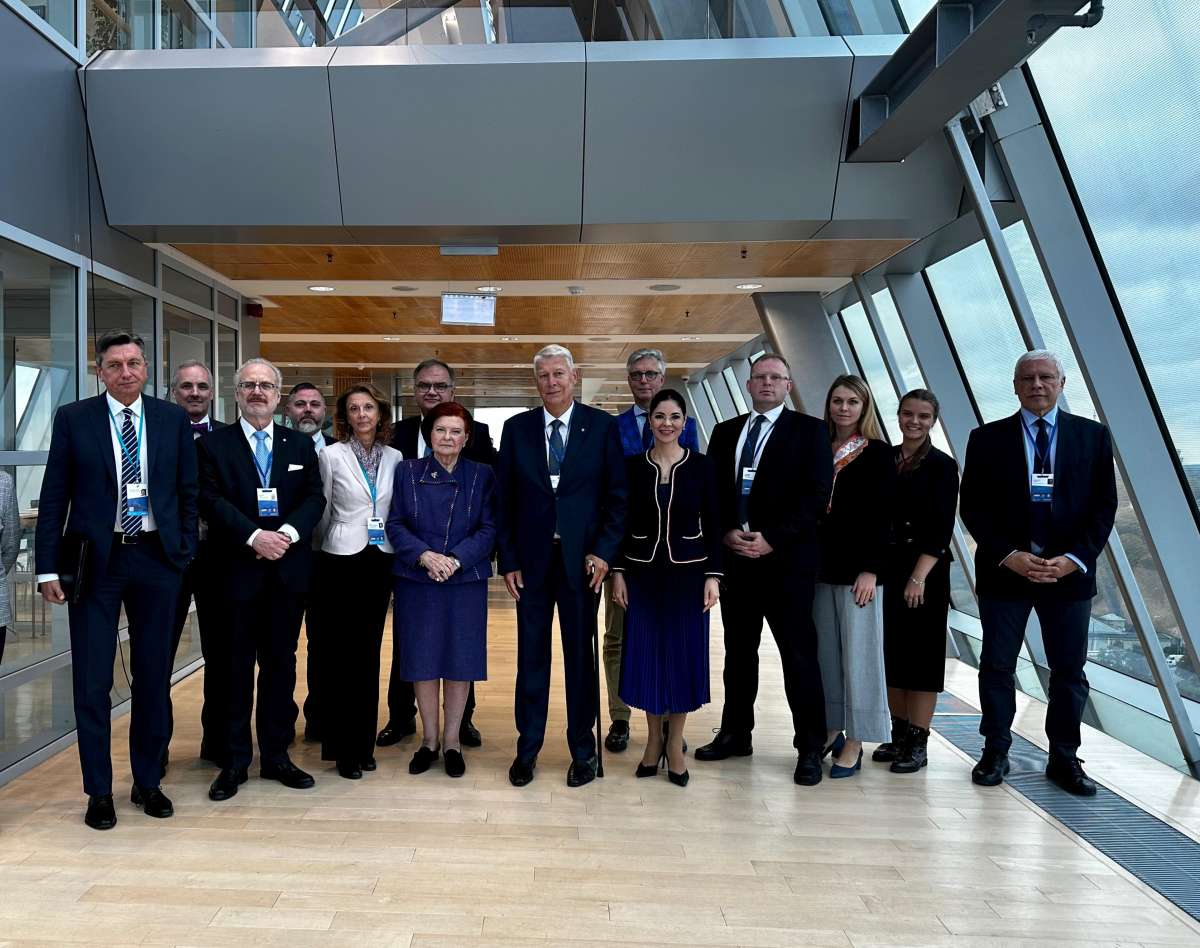
The XXXV High-Level Meeting of the Nizami Ganjavi International Center has commenced in Geneva, within the framework of partnership with the United Nations Office at Geneva. The meeting is dedicated to the theme “Reshaping Multilateralism in an Era of Divides and Transformation”.

Within the framework of this high-level international platform, broad and comprehensive discussions are being held on the future of global governance; adapting multilateral institutions to the evolving world order; the climate crisis and sustainable development; artificial intelligence and technological transformation; peace and security; humanitarian challenges; migration and global health; inclusive economies; the role of women in leadership; as well as global housing and urban development challenges.

At the same time, particular attention has been given to preparations for the XIII Global Baku Forum, to be held in Baku under the organization of the Nizami Ganjavi International Center. In addition, issues related to the Thirteenth Session of the World Urban Forum (WUF13) of the United Nations, scheduled to take place in Baku on 17–22 May, were also discussed.

The meeting brings together more than 50 high-level international participants representing over 30 countries, including former heads of state and government, heads of UN entities, representatives of international organizations, and renowned experts. The opening ceremony featured remarks by Tatiana Valovaya, Director-General of the United Nations Office at Geneva; Ngozi Okonjo-Iweala, Director-General of the World Trade Organization; Rebeca Grynspan, Secretary-General of UN Trade and Development; Doreen Bogdan-Martin, Secretary-General of the International Telecommunication Union; Anaclaudia Rossbach, Executive Director of UN-Habitat; Amre Moussa, former Secretary-General of the League of Arab States and former Minister of Foreign Affairs of Egypt; Boris Tadic, former President of Serbia; as well as Anar Guliyev, Chairman of the State Committee for Urban Planning and Architecture of the Republic of Azerbaijan and National Coordinator of WUF13. 

It should be noted that, based on the existing institutional cooperation between the Nizami Ganjavi International Center and the United Nations Office at Geneva, these annual high-level meetings serve as an important international platform for discussing global challenges.

15 January 2026

See all